A Chinese pagoda in the heart of the Loire Valley
You never expect, on arriving, to come across a genuine pagoda of Chinese inspiration in the middle of the Touraine woods. And yet there it is: seven tapering storeys, 44 metres high, reflected in a great crescent-shaped basin. This astonishing monument is the last remnant of the sumptuous Château de Chanteloup, now gone. The surprise is complete, and that is exactly what makes the place so charming. Far from the medieval fortresses and Renaissance palaces that punctuate the Loire Valley, Chanteloup offers an exotic, unexpected interlude. Lovers of curiosities, families after something different and admirers of fine viewpoints all find their happiness here. It is one of my favourite spots for surprising my guests.
The Duke of Choiseul and the birth of an 18th-century folly
Behind this architectural folly stands a great figure: Étienne-François, Duke of Choiseul, the powerful minister of Louis XV. Dismissed from court and exiled to his lands in 1770, the duke turned his Chanteloup estate into a lavish residence, where he entertained his loyal followers and thumbed his nose at the Paris authorities. The pagoda, built at the end of the 1770s, was conceived as a monument of gratitude towards the friends who stayed faithful in disgrace; their names were engraved on plaques inside. The period’s taste for “chinoiserie” and the exotic found spectacular expression here. Once you know this story, the pagoda ceases to be a mere curiosity: it becomes a symbol of pride and loyalty.
Climbing the 149 steps for a unique panorama
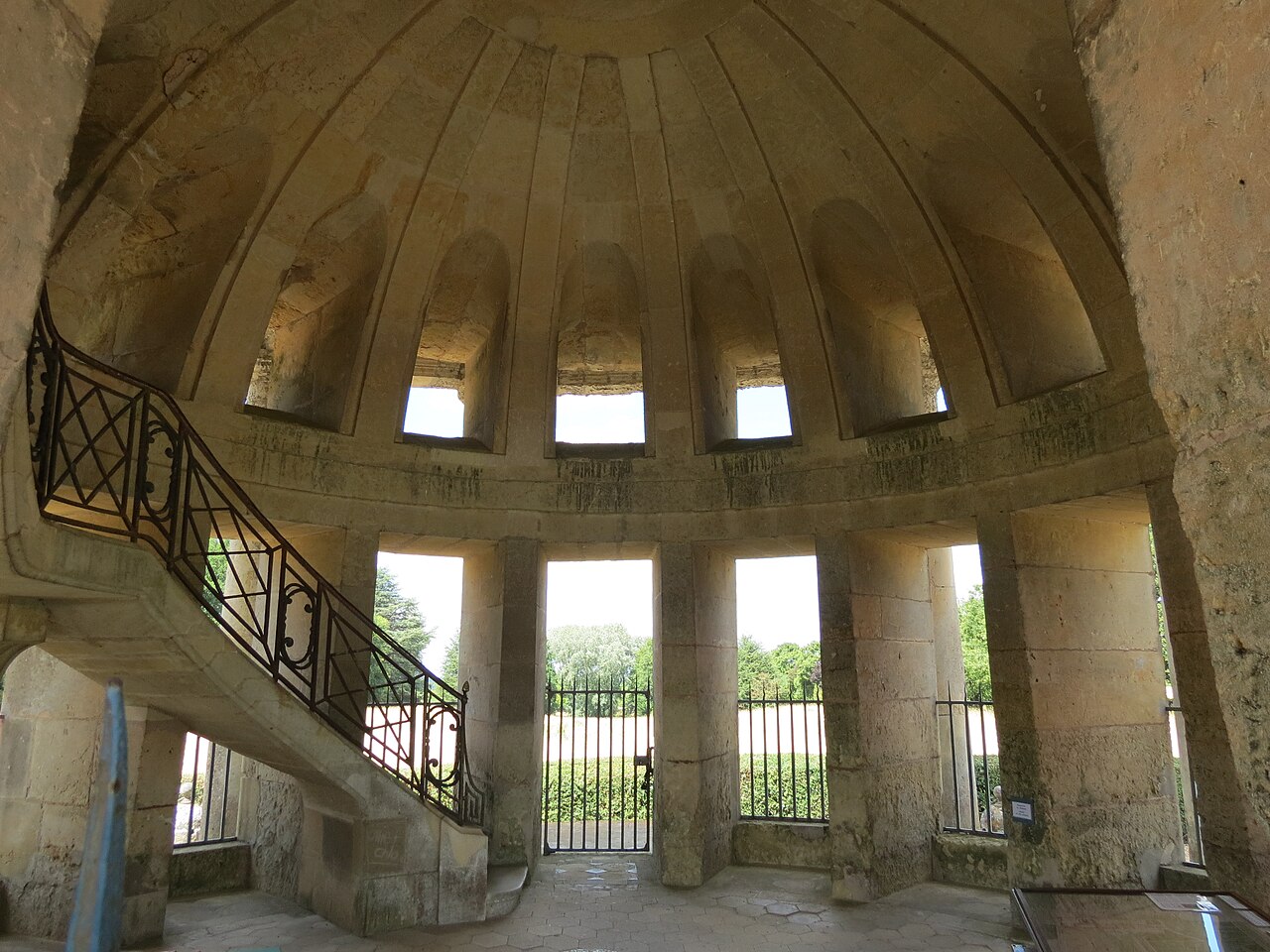
The great game at Chanteloup is the climb. A spiral staircase of 149 steps leads to the top of the pagoda, storey by storey, each one opening its balconies onto the landscape. As you climb, the view widens, and the reward at the top level is superb: a 360-degree panorama over the Amboise forest, the valley and, in the distance on a clear day, the rooftops of the town. It is one of the finest viewpoints in the region, earned by the strength of your legs. The ascent remains within reach of the whole family, at its own pace, with landings to catch your breath and admire the view. Children love counting the steps and watching for the summit. Just bring good shoes and a little caution with the youngest.
Old wooden games for young and old
At the foot of the pagoda, the estate lays out a fine collection of outdoor wooden games, inspired by the pastimes of old. Skittles, quoits, games of skill, courses and other challenges await visitors on the lawns. It is one of Chanteloup’s great assets: the visit is not just a monument, it becomes a moment of sharing and laughter in the open air. Families happily linger, children move from one game to the next, and the grown-ups soon join in too. This playful dimension, rare among heritage sites, makes Chanteloup an outing especially well suited to family stays. You come for the pagoda, and you stay for the easy-going atmosphere and the gentleness of the setting.
Rowing boats on the basin and a picnic in the green
The great crescent-shaped basin that mirrors the pagoda is not merely decorative: in the warm season, you can step into small rowing boats and paddle gently along, admiring the monument from the water. It is a soft, romantic activity, ideal as a couple or as a family. All around, the park invites a picnic: broad shaded lawns, tables, and the calm of the Touraine countryside. Bring your hamper, spread a cloth facing the pagoda, and savour a break far from the bustle of the major sites. Few monuments in the Loire Valley lend themselves so well to an afternoon of doing nothing. It is, to my mind, one of the loveliest places in the region for lunch on the grass.
A vanished château: understanding what remains of Chanteloup
To appreciate the visit fully, you need to understand what you are looking at. The vast Château de Chanteloup, one of the finest of the eighteenth century, was dismantled and sold off stone by stone at the start of the nineteenth century, at a time when some estates were treated as little more than quarries. Of that lavish ensemble, only the pagoda survives, miraculously preserved, along with its basin. This disappearance gives the site a particular melancholy: you contemplate a fragment, the last witness of a vanished splendour. Panels and documents on site help you picture the lost château and the scale of the original estate. This dimension of erased history adds, I find, a moving depth to the simple beauty of the monument.
Combining Chanteloup with Amboise in a day
The pagoda lies just a few minutes from the centre of Amboise, which makes it an ideal complement to a day in the town of Leonardo da Vinci. My advice: devote the morning to the royal Château of Amboise and the Clos Lucé, have lunch in town, then head to Chanteloup in the afternoon for a relaxing interlude, climbing the pagoda and playing in the park. The alternation between dense heritage in the morning and fresh air in the afternoon works perfectly, especially with children. Visiting the pagoda and its park takes about an hour and a half to two hours, more if you picnic or hire a boat. It is the perfect end to the day to round off an Amboise outing gently.
Getting to Chanteloup from Meung-sur-Loire
From La Maison du Château, allow about an hour by road to the south-west to reach the Pagoda of Chanteloup, by way of Amboise. The site has parking nearby. As the pagoda adjoins Amboise, I recommend grouping the two together in a single day to make the most of the journey: you combine a great royal site with this quirky curiosity. Favour the warm season, when the boats are available and the park lends itself to a picnic; the pagoda is then visited in the best conditions. For families staying with us, it is an ideal day, blending history, exercise, games and relaxation, at a very reasonable distance from the house.
The Pagoda of Chanteloup is the quirky at its purest: a 44-metre Chinese tower in the middle of the Amboise woods, rowing boats on the basin, old games and a panorama earned over 149 steps. From La Maison du Château in Meung-sur-Loire, an hour’s drive is enough to give the whole family this joyful interlude, ideal as an extension of a day in Amboise.