Sancerre, the hilltop village watching over the Loire
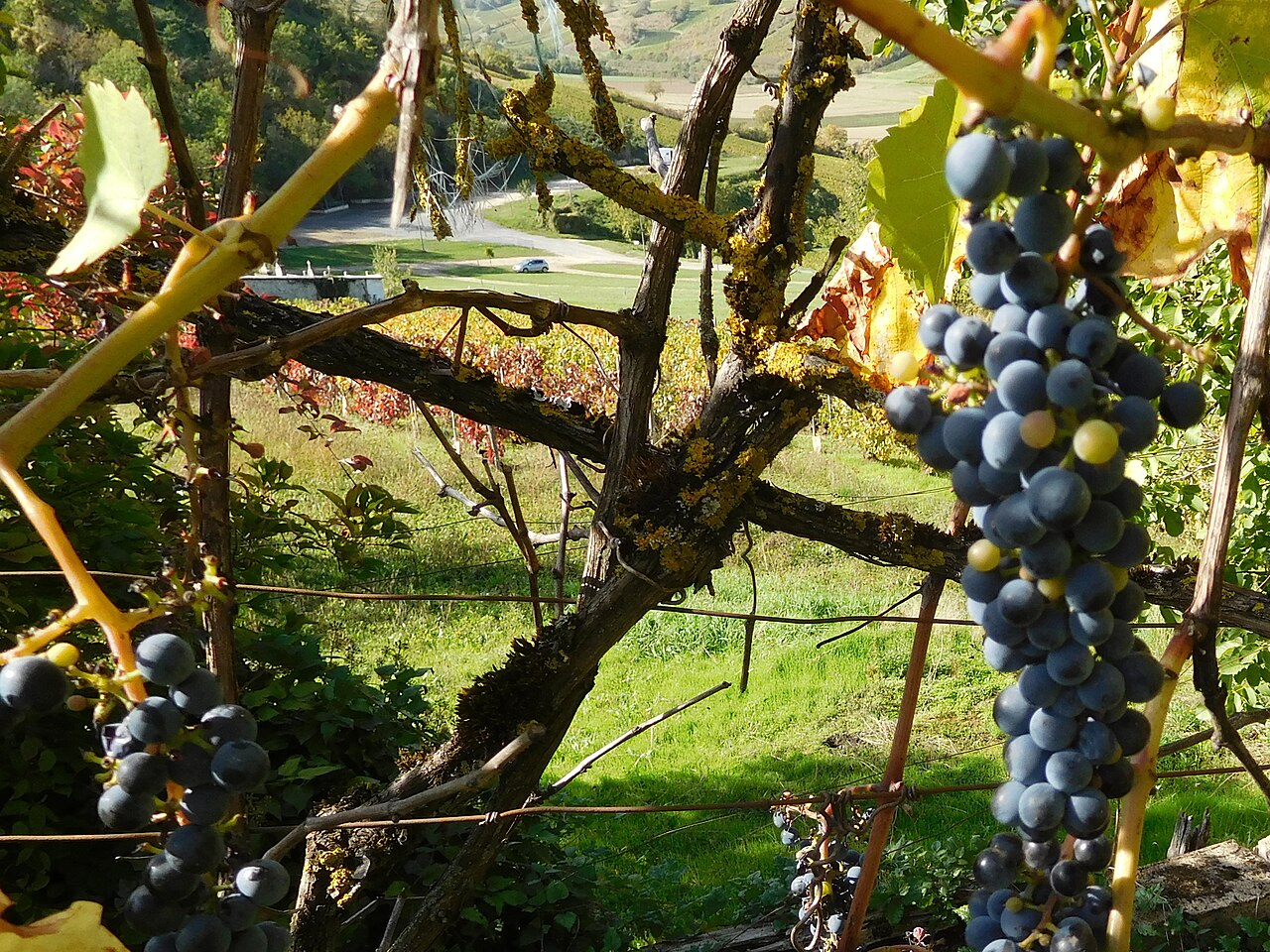
Before the wine comes the setting. Sancerre is a chalky hill of 312 metres rising above the left bank of the Loire, crowned by a medieval village of steep, winding lanes. From the Porte César esplanade and the Tour des Fiefs, the panorama takes in a sea of vines in perfect rows, the river below and, on a clear day, Pouilly-Fumé on the far bank. It is one of the most beautiful wine viewpoints in France. The village rewards a wander: tasting cellars, wine-growers' shops, terroir restaurants. At 1h15 from Meung-sur-Loire via the A77, it makes an ideal day trip, at once gourmet and scenic.
Sancerre sauvignon blanc in brief
Sancerre is above all a dry white from sauvignon, across nearly 3,000 hectares classified AOC since 1936. The grape gives a bright, taut wine with aromas of citrus, box hedge, white flowers and gun flint. Three main soil types shape these nuances: the "terres blanches" (limestone marls) give broad wines for keeping; the "caillottes" (hard limestone) give fine, floral wines ready to drink young; the "silex" (flint) give mineral, smoky wines. Understanding these three terroirs changes everything at the tasting. Sancerre also produces a little red and rosé from pinot noir, more confidential but genuinely charming, and they are well worth not overlooking on a cellar visit.
The wine route: the villages to explore
The Sancerrois wine route winds between some fifteen wine-growing villages, each with its own character. Sancerre itself concentrates the tasting cellars. Chavignol, tucked into a valley below, is the twin village of wine and cheese. Bué, Verdigny, Crézancy and Ménétréol-sous-Sancerre line up family estates and viewpoints. I suggest tracing a loop from Sancerre: a morning on the "terres blanches" slopes, lunch at Chavignol, an afternoon on the "silex" side. The distances are short — a few kilometres between each village — but appoint a sober driver: the roads are narrow and winding, and the tastings generous.
Cellars and estates to visit
The Sancerrois has dozens of family estates that welcome visitors, often without ceremony. Among the names regularly cited: Maison Henri Bourgeois at Chavignol, a family institution with a panoramic tasting room; Domaine Vacheron in Sancerre, farmed biodynamically; Domaine Vincent Pinard at Bué, for intimate tastings; or Domaine Lucien Crochet. Most offer a cellar tour followed by a tasting of several cuvées by terroir. Book by telephone one to three days ahead, especially in summer and absolutely during the September harvest, when the welcome is reduced. Expect £13-26 a bottle at the estate, usually cheaper and always better advised than in a shop.
The royal pairing: Sancerre and Crottin de Chavignol
This is the local pairing par excellence, and one of the most perfect in French gastronomy: a white Sancerre and a Crottin de Chavignol, born on the same slope. The two appellations share the village of Chavignol geographically, and their marriage is no marketing accident. The mineral acidity of the sauvignon cuts the richness of the goat cheese; the freshness of the wine answers the saltiness of the cheese; and the more the crottin matures, the more you move towards a "terres blanches" Sancerre, broad and structured. Taste them together in Chavignol itself, in a cellar, and you will understand in a single bite why people speak of a marriage of terroir. For me, it is the gustatory memory every visitor should take home.
Pouilly-Fumé, the mirror across the river
On the other side of the Loire, a few minutes from Sancerre across the bridge, Pouilly-Fumé answers with the same sauvignon grape but on soils dominated by flint. The result is a wine reputed to be smokier, more mineral and structured, whose name is said to evoke precisely that "gun flint" note. AOC since 1937, it spreads around Pouilly-sur-Loire. Visiting both banks in the same weekend is the ideal exercise in comparative tasting: the same grape, two expressions. Château du Nozet and several family estates welcome visitors there. Do not confuse it with Pouilly-Fuissé, which is a Burgundy chardonnay hundreds of kilometres away — a common mistake that local growers correct with a smile.
What else to do in the Sancerrois
The Sancerrois is more than its cellars. La Maison des Sancerre, in the heart of the village, offers a playful, scenic tour to understand the terroirs before tasting — an excellent first stop, especially if wine is new to you. Walkers can take the waymarked vineyard trails that criss-cross the slopes, perfect at the end of the day for the golden light over the rows of vines. Chavignol deserves a cheese stop as much as a wine one, and its little lanes are a pleasure to wander. And the lateral canal of the Loire, down below in the valley, offers fine flat walks and bike rides along the water, with herons and kingfishers for company. A full day combines the panorama in the morning, two estates, a long lunch at Chavignol and a final tasting on the silex side before heading back to Meung-sur-Loire.
Planning your day from Meung-sur-Loire
From La Maison du Château, reckon on 1h15 by the A77 motorway to Sancerre. Set off after breakfast to arrive around 10am, when the cellars open. A typical programme: the panorama and village in late morning, a first tasting, lunch at Chavignol with the crottin-Sancerre pairing, two estates in the afternoon (one on "terres blanches", one on "silex"), back to Meung-sur-Loire for dinner. If you have two days, add a morning at Pouilly-Fumé on the far bank. Bring water, a savoury snack between tastings, a notebook to record your favourites, and a designated driver. Buying a few bottles at the estate will extend the trip once you are home.
Sancerre brings together everything we love about the Loire Valley: a great wine, a picture-postcard village, a legendary cheese and an unforgettable panorama. At 1h15 from La Maison du Château in Meung-sur-Loire, it is the day trip I recommend to every lover of dry whites.